
What to Know About Land Before Building a Custom Home
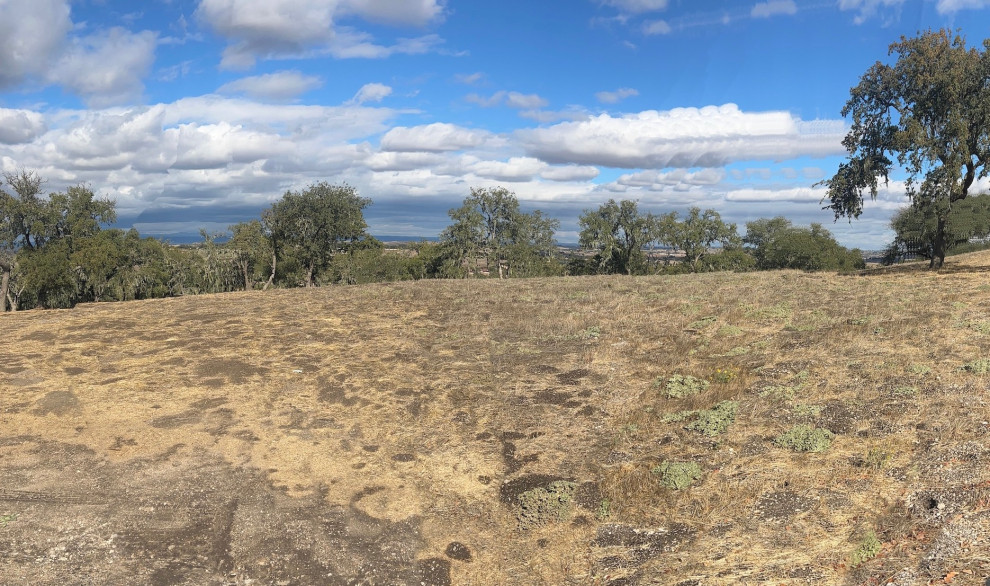
The right land can become the foundation for an extraordinary custom home. But the best decisions consider beauty, feasibility, budget and long-term value together.
Whether you are considering purchasing land or already own the property where you plan to build, the land itself is an important part of the custom home equation.
Every property has conditions that can affect design, cost, schedule and feasibility. Understanding those conditions early can help determine whether the property is well suited for the home you want to build.
1. Utilities
Determine whether water, sewer, power and natural gas are available—and where they are located in relation to the proposed home.
A property without public sewer may require a septic system, while rural acreage may require a well. Long utility runs, new connections, transformers or infrastructure upgrades can add significant cost.
Utility availability alone does not tell the whole story. The cost of bringing those services to the home matters too.
2. Access, Grading and Site Development
Driveways, road improvements, fire access, grading, drainage and retaining walls can significantly affect site-development costs.
A relatively level property with straightforward access may require far less preparation than a sloped or unusually configured site. Views, privacy and elevation can make a property especially desirable, but they should be considered alongside what will be required to prepare the site for construction.
Flood zones and drainage requirements should also be understood early, as they can affect grading, building elevations and site design.
3. Soils and Topography
Soil and geotechnical conditions can influence foundation design, grading and site preparation. Expansive soils, compaction requirements, groundwater and other conditions may require additional engineering or construction.
Topography also affects where the home, driveway, outdoor living areas and other improvements can reasonably be located.
Many of these conditions are not apparent from simply walking the property and may require professional evaluation.
4. Buildable Area, Surveys and Restrictions
The size of a property does not necessarily tell you how much of it can actually be used.
Property boundaries, easements, setbacks, zoning, HOA requirements, architectural guidelines and other development restrictions can determine the property’s actual buildable area.
A survey and review of applicable requirements can help establish where the home and related improvements can legally and practically be placed.
Ideally, the home should be designed in response to these conditions rather than designed first and then forced onto the site.
5. Understand the Total Cost of the Homesite
Two properties with similar purchase prices can have very different development costs.
One may have nearby utilities, level building conditions and straightforward access. Another may require utility extensions, substantial grading, retaining walls, drainage improvements, a long driveway, septic or well systems, or specialized foundation work. Connection fees, permits and other development requirements may add additional costs.
The cost of the land is not necessarily the cost of the homesite.
Understanding these requirements early provides a clearer picture of the total project investment and helps avoid having unexpected site costs consume dollars intended for the home itself.
6. Consider the Home and Land Together
A custom home and its property should not be treated as separate decisions.
Orientation can affect views, privacy, natural light and outdoor living. Topography can influence architecture, while the location of the driveway can shape the approach to the home.
Considering the home and land together can reveal opportunities that might otherwise be missed and help the design respond naturally to the property.
7. Get a Builder’s Perspective Early
At Sweaney Custom Homes, we encourage clients to involve a builder early—before purchasing land when possible and before significant design work begins.
A builder can help evaluate utilities, access, grading, drainage, site-development requirements and how the proposed home relates to the property. Early collaboration among the builder, architect, engineers and interior designer can help align the design with the site and the overall project budget.
If you already own the land, the same principle applies.
The goal is not simply to determine whether a home can be built on the property. It is to understand whether the property can reasonably support the home you want to build and the investment you want to make.
The Right Land and the Right Home
The right property can become the foundation for an extraordinary custom home. But the best land decisions consider beauty, feasibility, budget and long-term value together.
Whether you are evaluating land before purchasing it or preparing to build on property you already own, ask more than:
“Do I love this property?”
Also ask:
“Can this property support the home I want to build?”
Understanding that answer early can lead to better design decisions, a more realistic project budget and a more coordinated path from the land to the finished home.
The Return of the Master Builder.
One Vision. One Team. One Accountable Leader.

Todd Sweaney
Principal | Master Builder
Sweaney Custom Homes